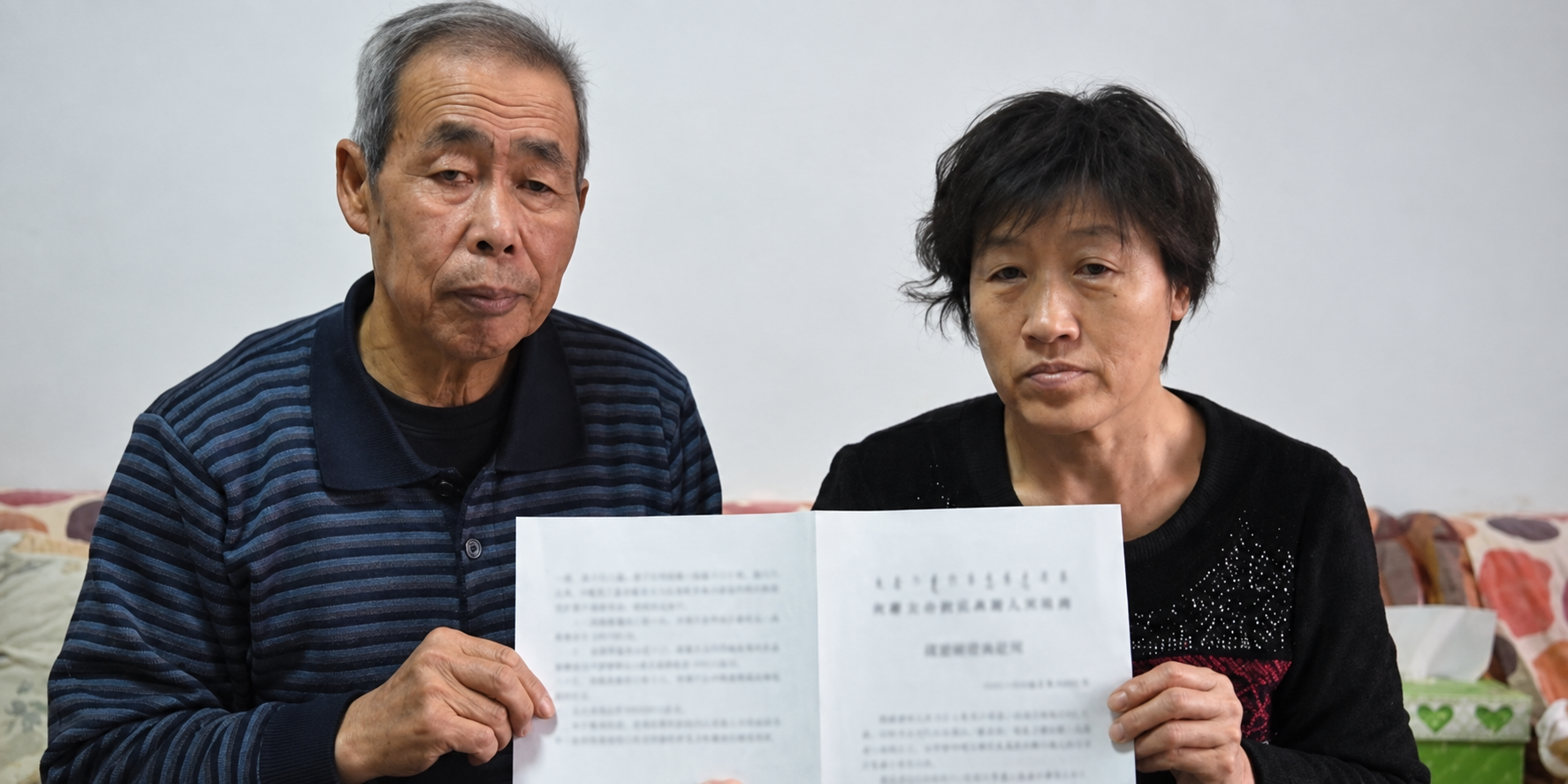
Hugjiltu’s parents holding a document, in an AI-enhanced version of the original photograph

Podcast 19|The Hugjiltu Case: Strike Hard Campaigns and the Reversal of a Wrongful Conviction

On the evening of April 9, 1996, eighteen-year-old Hugjiltu discovered a murdered woman. He asked a colleague to help report the crime, only to be identified by investigators as the killer. Just 62 days separated the crime from his execution; his acquittal came 18 years later. This episode returns to the Strike Hard era, tracing the Hugjiltu case from conviction to exoneration, examining the central principles of criminal procedure, and asking what justice delayed can leave behind.
2026-09-17 · Mason

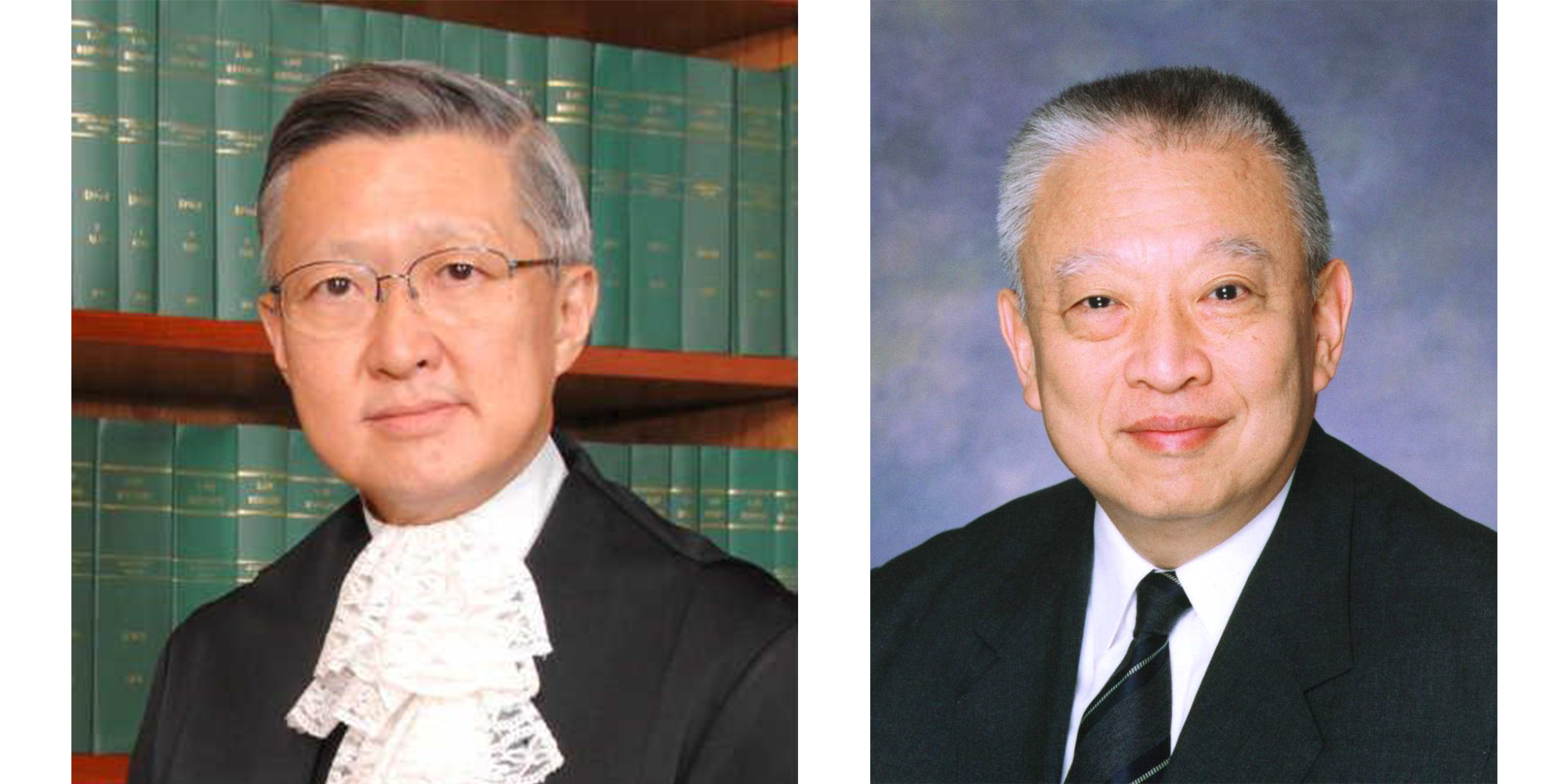
Podcast 18|The “First Case” of an NPCSC Interpretation: Who Interprets the Basic Law After Hong Kong’s Handover?

Beginning with Ng Ka Ling, this episode traces the Court of Final Appeal’s judgments and the Hong Kong government’s response to explain the first NPC Standing Committee interpretation of the Basic Law. It examines how final adjudication and final interpretive authority coexist after the handover, and how constitutional disputes affect families on either side of the border.

2026-09-10 · Mason

Podcast 17|From Godber’s Escape to the Police–ICAC Confrontation: The Birth of Hong Kong’s ICAC

On October 28, 1977, more than two thousand Hong Kong police officers and family members petitioned at Police Headquarters, after which some protesters stormed the ICAC Operations Department. Beginning with Peter Godber’s escape, the creation of the ICAC, and the Yau Ma Tei Fruit Market Case, this episode examines how Hong Kong built an independent anti-corruption system—and the price that reform exacted as the government tried both to pursue old cases and preserve public order.

2026-09-03 · Mason
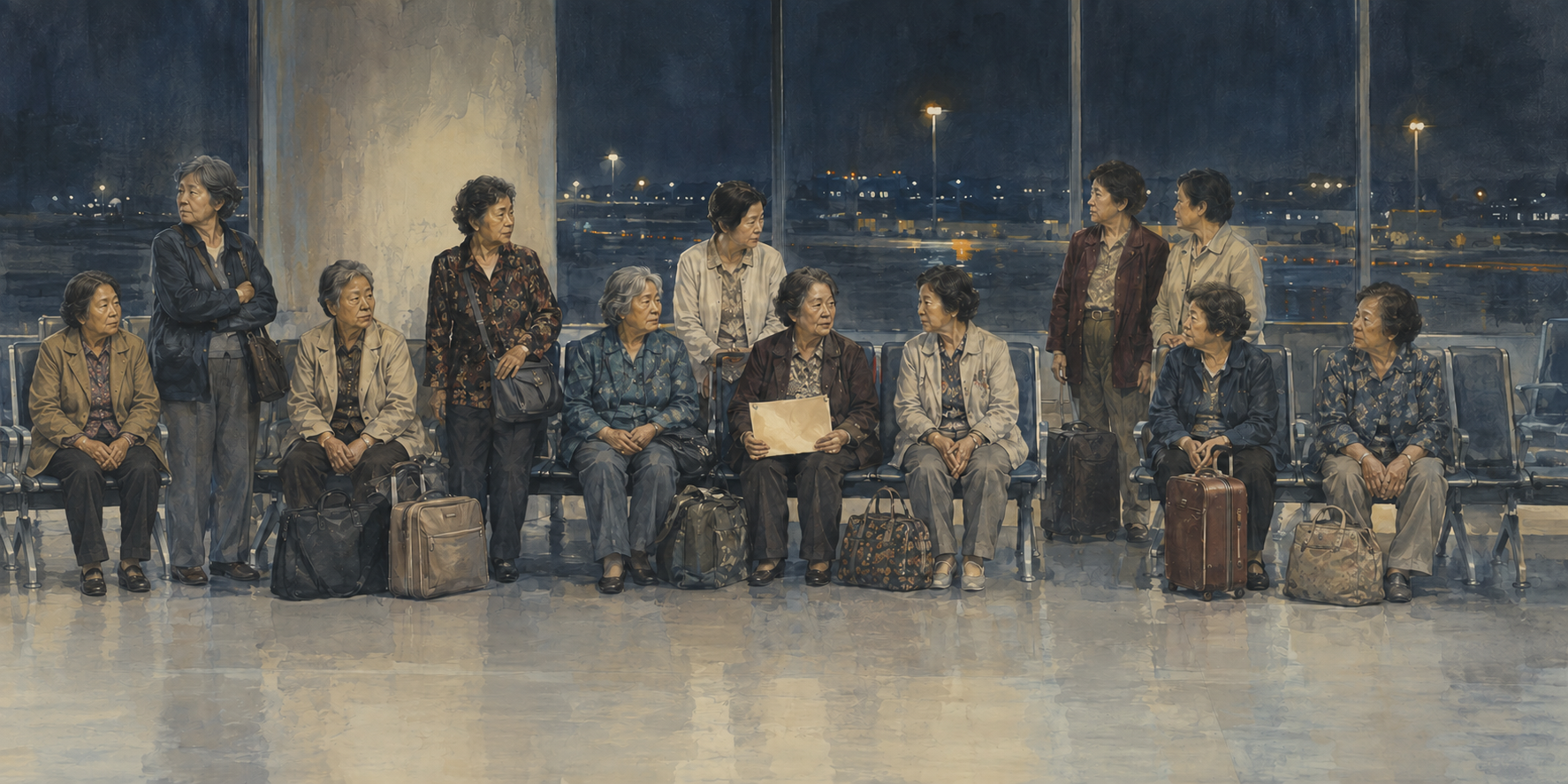
Illustration of older women with luggage waiting in an airport terminal at night

Why Did Returning Home Require a Sponsor? Twelve Japanese Women’s Night at Narita Airport

In 1993, twelve Japanese women who had spent decades in China arrived at Narita Airport without resettlement sponsors or places to live. Their decision to return before those arrangements were in place exposed the barriers facing Japanese women left behind in China and pressed the government to take greater responsibility for their repatriation and resettlement.

2026-08-31 · Mason

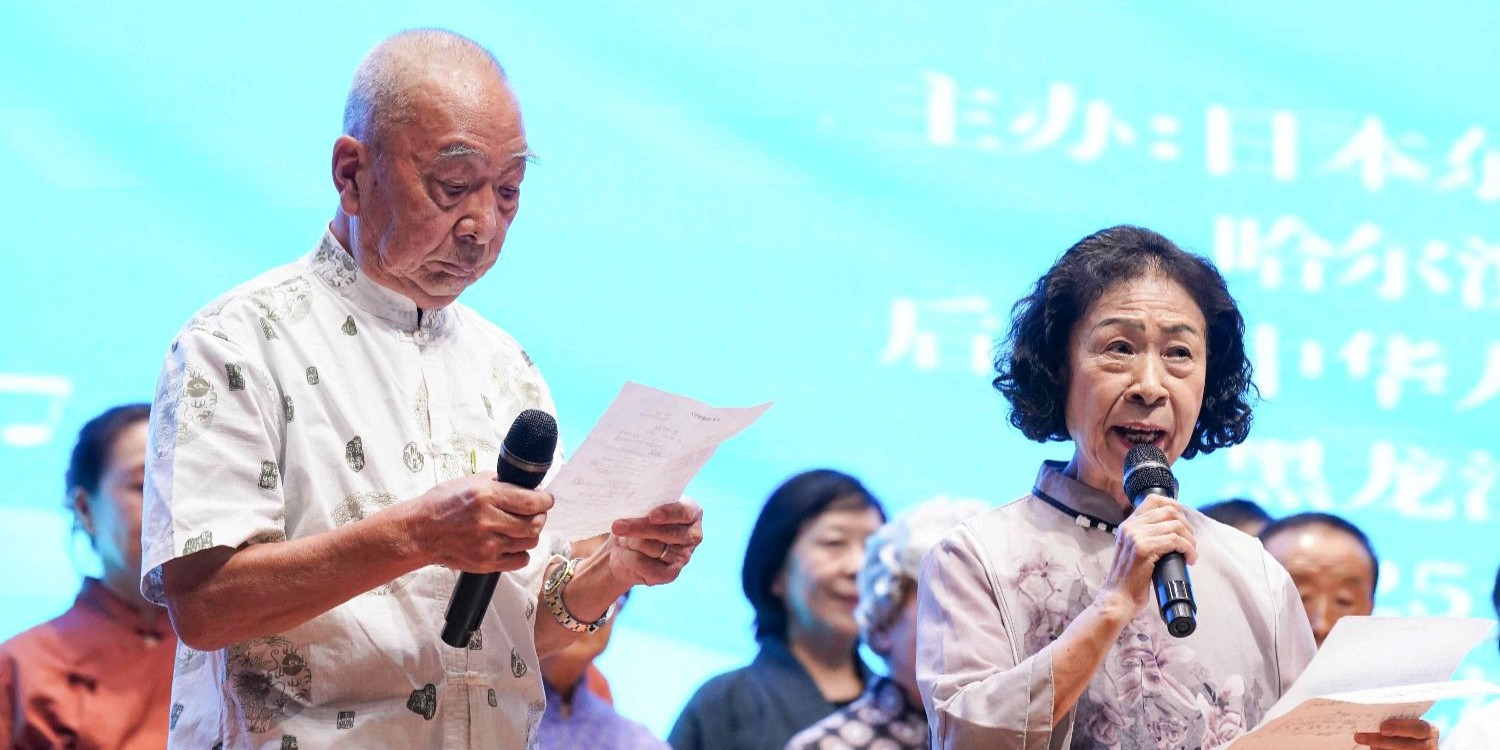
Podcast 16|Repatriation Was Not a Homecoming: Japan’s War Orphans and Their State Redress Lawsuits

In January 2007, forty Japanese war orphans repatriated from China lost their state redress case before the Tokyo District Court. Beginning with the three names of Sumie Ikeda, this episode traces the gaps between war responsibility, repatriation policy, state redress, and political settlement—and asks how law can respond to a generation of shattered lives.

2026-08-27 · Mason