This blog is used to record some fragmented experiences and thoughts, as well as to store my personal portfolio and podcast transcripts.
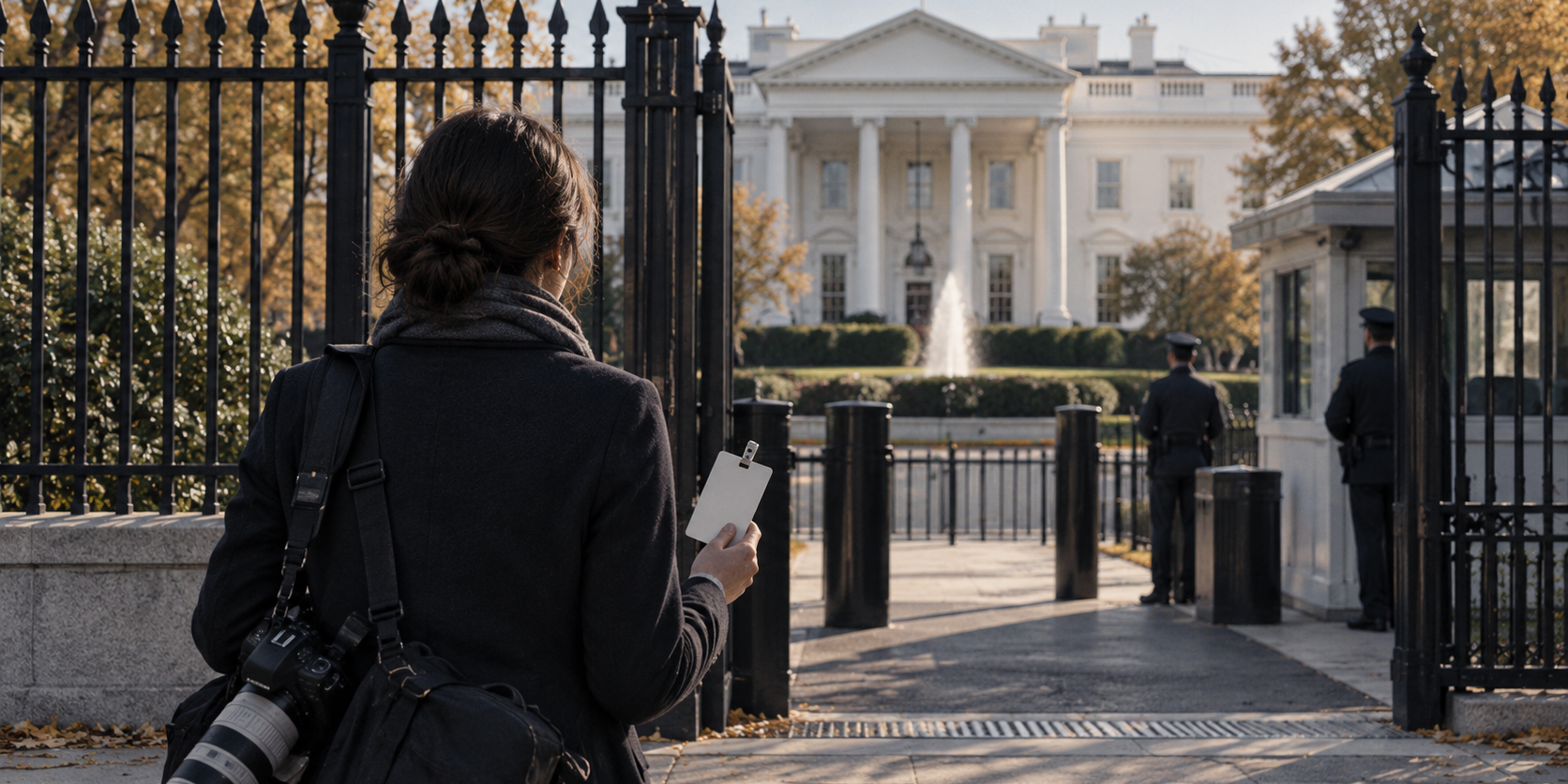
Public Forum Doctrine: Why Is the White House Press Area a Nonpublic Forum?
In 2026, three news organizations sued the White House. Their dispute turns in part on the legal character of the White House press area. From the language of public trust in Hague in 1939 to Perry's three-category framework in 1983, the public forum doctrine defines how far the government can regulate expression within the spaces it controls.
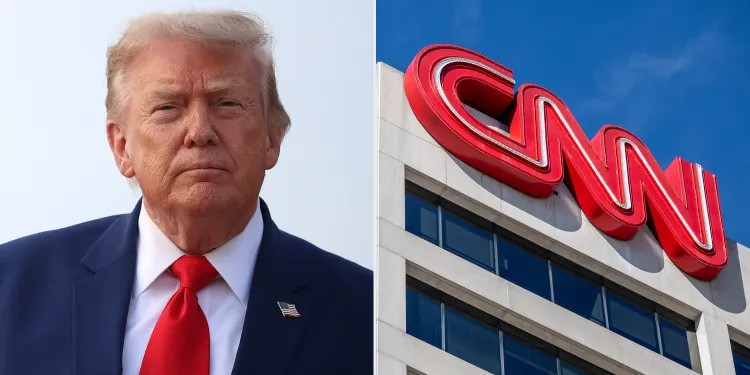
Podcast 22|Three News Organizations Sue the White House: Press Freedom and the Legal Limits of Press Credentials
In September 2026, Trump barred CNN, MS NOW, and Politico from the White House over “fake news.” The three organizations sued. Can a president revoke press credentials because he dislikes the coverage? The story begins with a journalist denied a White House pass half a century earlier.
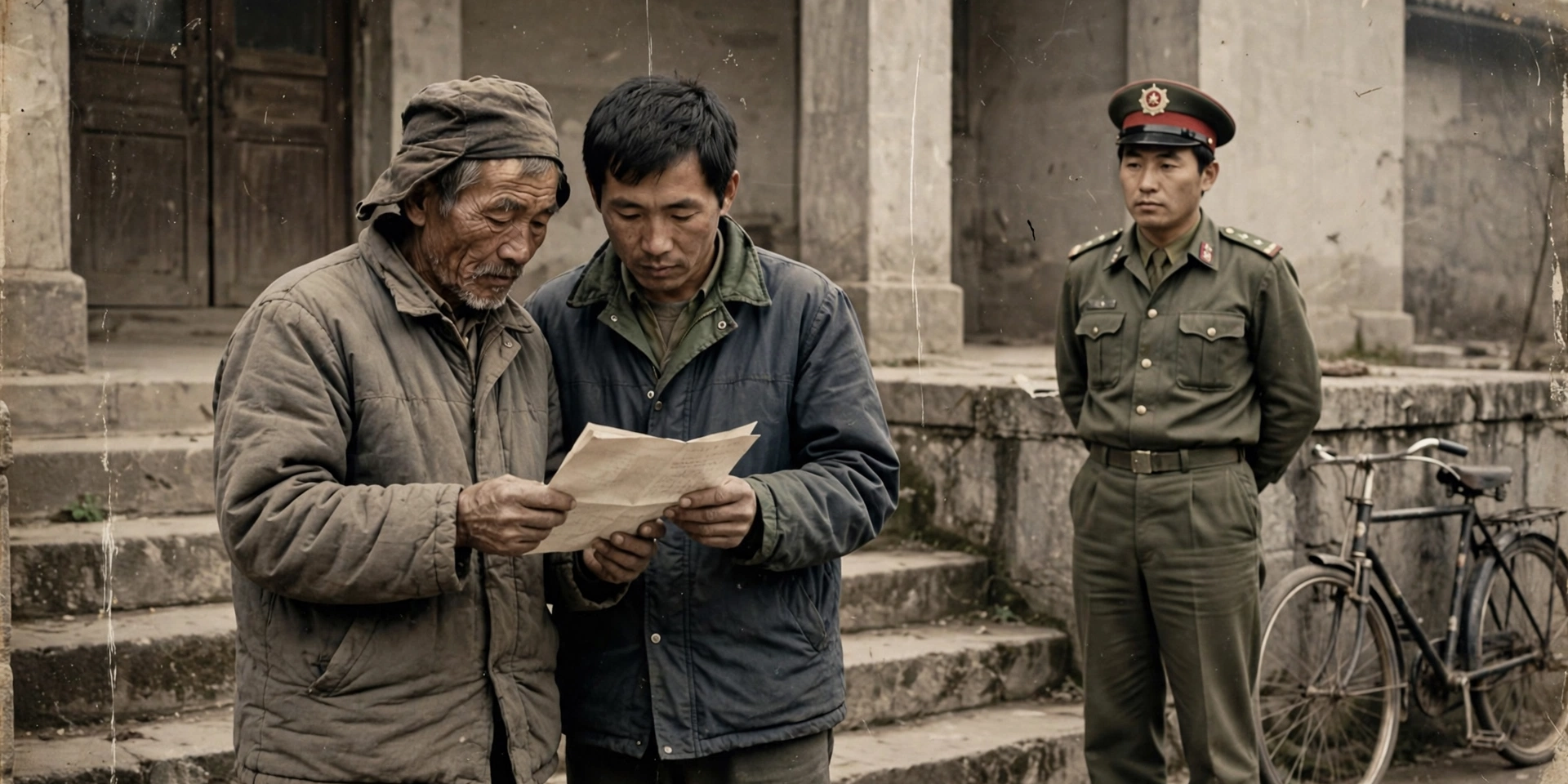
The Zhu Father and Son v. the Public Security Bureau: The First Revocation of a Police Penalty
In 1987, Zhu Jiacheng and Zhu Gongbao, a farmer father and son from Lianshui, Jiangsu, refused to accept the administrative detention imposed on them by the public security authorities and sued the Lianshui County Public Security Bureau in court. The Lianshui County court ultimately revoked the police penalty ruling, making this the first case, before the Administrative Litigation Law was enacted, in which a court ruled against the public security authorities. This article traces the full course of the case.
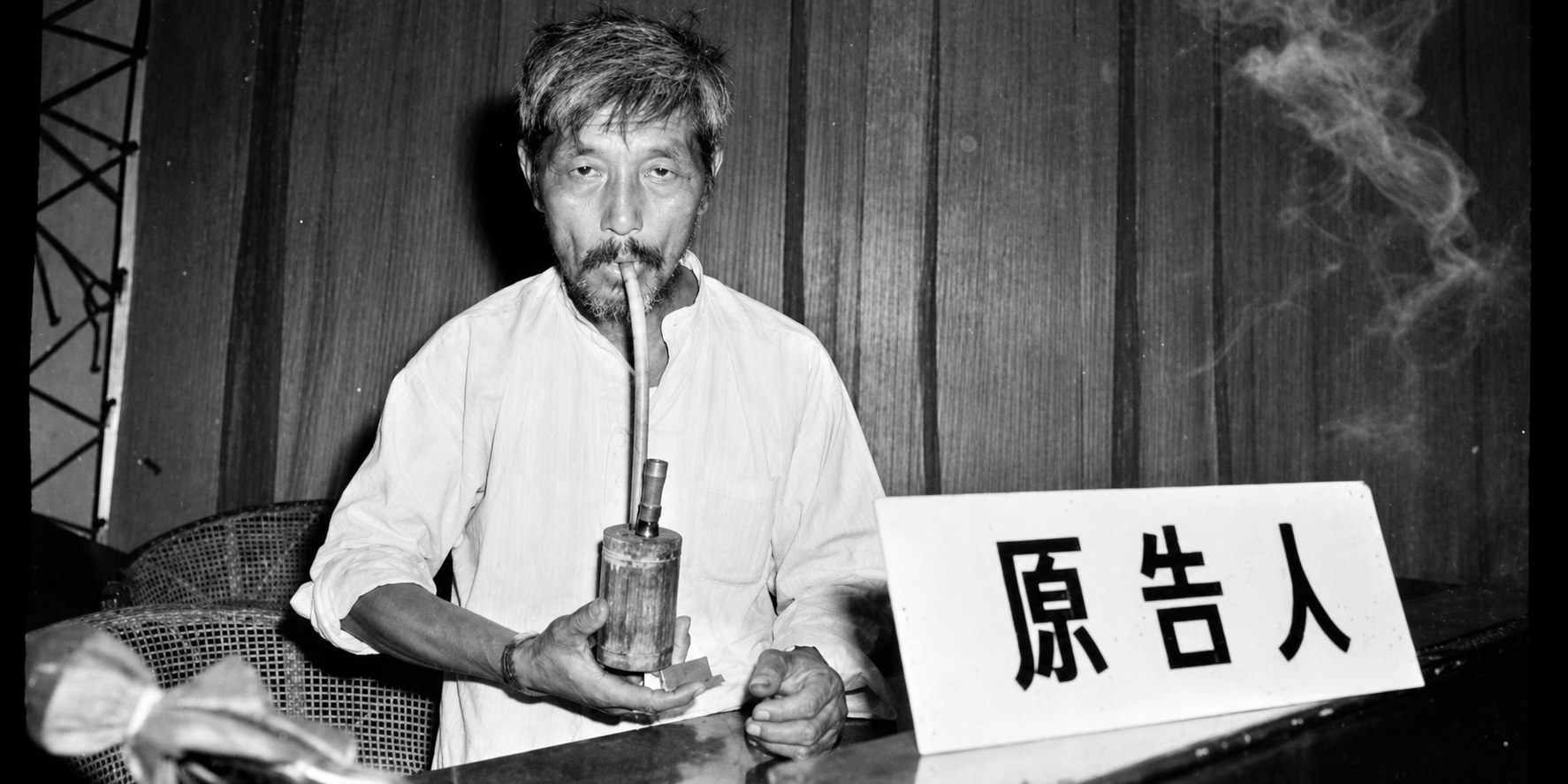
Podcast 21|China’s “First Case” Against the Government: Bao Zhengzhao v. Cangnan County Before the Administrative Litigation Law
In August 1988, a cinema in Cangnan County, Zhejiang, became a temporary courtroom where farmer Bao Zhengzhao and his family sued the county government. The dispute began with the partial demolition of a house beside a river embankment: why did a town construction office’s approval fail to protect it from an order to clear flood-control obstructions? Before China had a unified Administrative Litigation Law, how did the courts accept, hear, and decide this case? Beginning with the Bao family’s defeat, this episode traces the development of administrative litigation from scattered judicial practice to unified legislation and asks what it meant to bring the government into court.
Podcast 20|United States v. Huawei, Part I: From the Meng Wanzhou Case to the RICO Conspiracy Charge
Meng Wanzhou was arrested at Vancouver International Airport in 2018 and returned to China three years later after entering into a deferred prosecution agreement. The charges against her were dismissed, but the criminal case against Huawei continued. In September 2026, this case spanning more than two decades went to trial in the Eastern District of New York. This episode begins with Hong Kong-based Skycom, its business in Iran, and a 2013 meeting with a bank, before turning to T-Mobile's Tappy robot and the Quintel antenna dispute to examine how allegations of bank fraud, trade-secret theft, and other offenses were assembled into a single case.